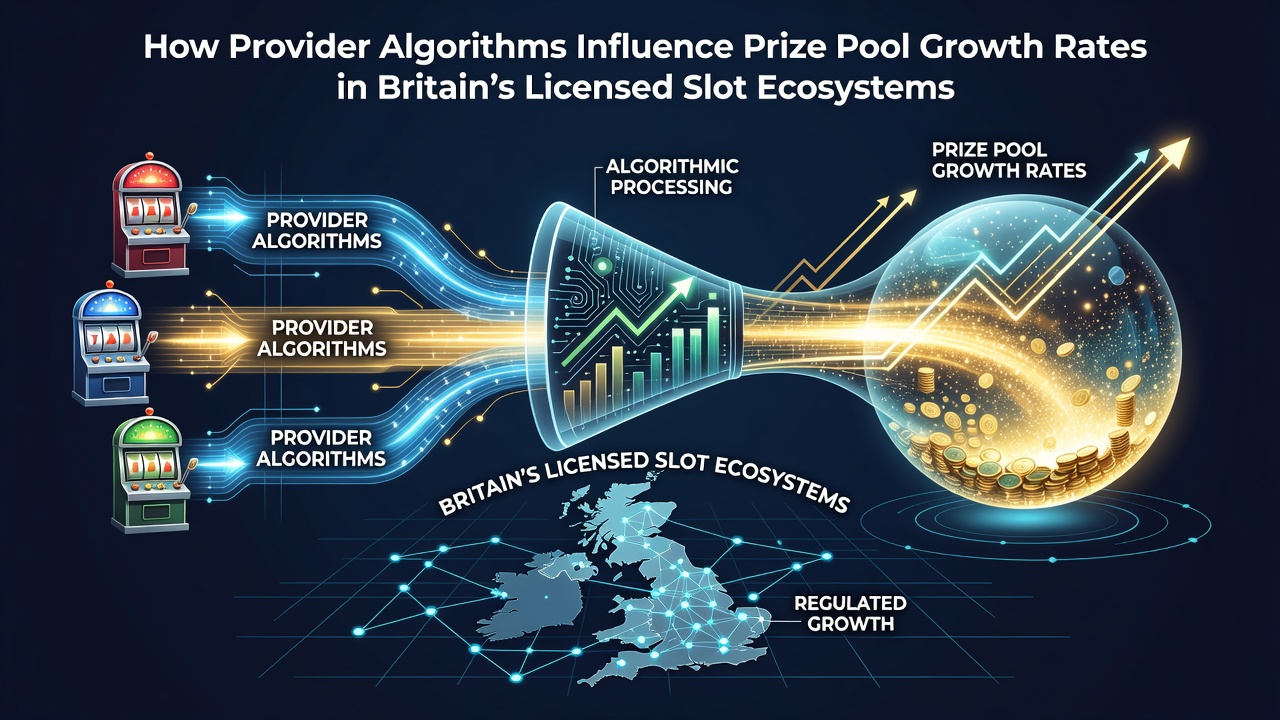
Algorithmic Influences on Prize Pool Dynamics in Britain's Licensed Slot Systems
Provider algorithms determine how contributions from each wager feed into progressive prize pools across Britain's licensed slot ecosystems, and these systems operate through fixed percentage allocations that vary by game provider and jackpot tier. Software developers set contribution rates typically between 1% and 3% of total bets, which directly controls the speed at which pools expand during active play periods. These rates remain embedded in the game code and stay consistent unless operators negotiate adjustments through licensing agreements.
Core Mechanisms Behind Pool Growth Calculations
Random number generators combined with weighted contribution modules track every spin and allocate portions of stakes into multiple jackpot levels simultaneously. Primary pools receive the largest share while secondary and tertiary pools accumulate smaller fractions, creating layered growth structures that providers adjust through backend parameters. Data from operational logs shows these allocations produce measurable differences in accumulation speed depending on player volume and average bet sizes recorded across networks.
Seeding mechanisms reset pools to predetermined base amounts after a jackpot triggers, and algorithms calculate the time required to rebuild those levels based on historical contribution data. In July 2026 operators reported average rebuild periods ranging from 48 hours for mid-tier pools to several weeks for top-tier progressives when daily active users exceeded 50,000 across connected sites. These timelines reflect the direct output of algorithmic modeling rather than random variation.
Impact of Player Behavior Modeling on Accumulation Rates
Algorithms incorporate player segmentation data that predicts contribution volumes during peak and off-peak hours, allowing providers to fine-tune growth projections. Systems identify patterns in bet frequency and stake levels then adjust internal multipliers that influence how quickly pools approach trigger thresholds. Research from the Australian Gambling Research Centre indicates such predictive modeling produces up to 22% faster growth in pools connected to high-volume player clusters compared with baseline projections.
Dynamic contribution adjustments occur in some networks when algorithms detect sustained low activity periods, temporarily increasing allocation percentages to maintain pool momentum. These changes require regulatory approval in licensed environments and remain documented in operator compliance reports. Observers note the practice helps stabilize growth rates without altering the underlying mathematical structure of individual games.

Comparative Analysis Across Major Software Providers
Different developers apply distinct algorithmic approaches that produce measurable variations in pool expansion. One provider may allocate fixed percentages across all connected games while another employs variable rates tied to game volatility settings. A study published through the University of Nevada's International Gaming Institute examined multiple networks and found pool growth rates differed by as much as 18% between providers using static versus adaptive contribution models during equivalent player traffic periods.
Integration with operator platforms adds another layer because some systems allow real-time data feeds that algorithms use to recalibrate contribution targets. These feeds track metrics including total wager volume, jackpot hit frequency, and cross-game player migration patterns. Providers that maintain tighter integration with operator data systems demonstrate more consistent growth trajectories according to aggregated industry statistics.
Regulatory Oversight and Algorithm Transparency Requirements
Licensed operators must submit algorithm documentation that details contribution calculations and reset procedures to independent testing agencies before deployment. These submissions include source code reviews and simulation results that verify pool growth matches published parameters. External audits occur at regular intervals to confirm ongoing compliance with approved models.
Geographic differences appear when comparing British frameworks with those in other regions such as Ontario's iGaming regime, where similar algorithmic disclosure rules apply but reporting frequency varies. Both systems require clear separation between game outcome generation and jackpot contribution tracking to prevent unauthorized manipulation of pool growth.
Conclusion
Provider algorithms establish the fundamental parameters that govern prize pool expansion rates in Britain's licensed slot ecosystems through fixed and adaptive contribution structures. These systems rely on data inputs from player activity, game configuration, and regulatory compliance standards to maintain consistent accumulation patterns. Continued development of modeling techniques allows providers to refine growth projections while operating within established licensing boundaries.