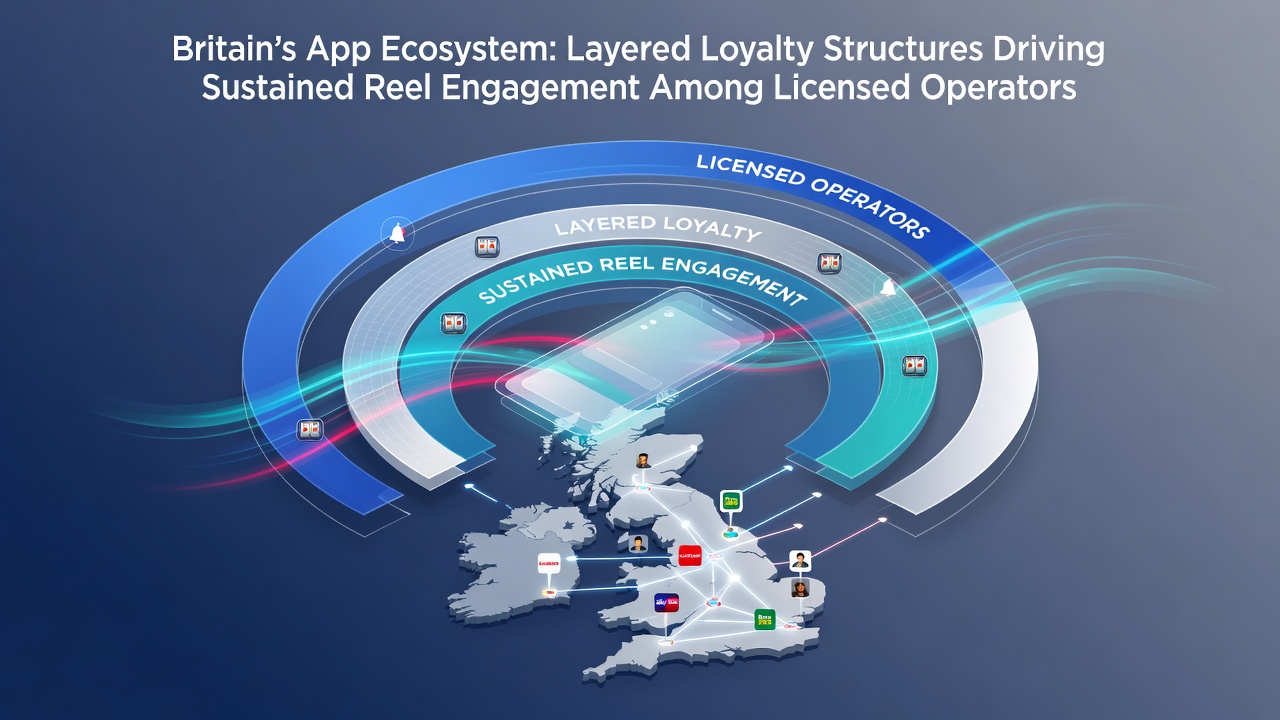
Britain's Licensed Operators Build App Loyalty Tiers to Maintain Reel Activity
Britain's app ecosystem for licensed operators relies on structured loyalty programs that layer rewards across multiple levels, and these systems encourage repeated interactions with slot reels through accumulated points, tier upgrades, and exclusive bonuses that reset on regular cycles. Data from industry reports indicate that operators integrate these structures directly into mobile platforms, where users track progress in real time while navigating game libraries dominated by progressive and fixed-reel titles. Observers note that the approach aligns with broader patterns seen in regulated markets, where retention metrics improve when players receive incremental benefits tied to session frequency and wager volume.
Core Mechanics of Tiered Structures
Operators deploy entry-level tiers that grant basic access to free spins or cashback percentages, while mid-tier and top-tier levels unlock higher multipliers, priority customer support, and invitations to limited-time reel events. Research from the European Gaming and Betting Association shows that players advance through these layers by meeting monthly activity thresholds, which creates a feedback loop where sustained play on reels directly fuels further rewards. Those who've examined the data find that operators adjust tier requirements seasonally, and this flexibility keeps engagement steady across different user segments without relying solely on one-time promotions.
What's interesting is how these layers connect to reel-specific features, such as multiplier boosts that apply only during peak app hours or bonus rounds that scale with loyalty points earned from prior sessions. Licensed operators track these interactions through centralized dashboards, and figures reveal consistent growth in average session length when users unlock new tiers. The reality is that this design draws from established retention models used in other digital sectors, yet it remains tailored to the regulatory framework governing British operators.
App Integration and User Pathways
Mobile applications serve as the primary interface for these loyalty systems, with push notifications alerting users to upcoming tier milestones or reel events that award extra points. Studies from the University of Nevada, Reno's gaming research center indicate that seamless in-app navigation between loyalty status screens and game lobbies increases the likelihood of continued play, particularly when rewards appear immediately after reel spins conclude. Operators often embed progress bars and milestone previews within the app interface, and this visual feedback helps maintain momentum across multiple sessions.
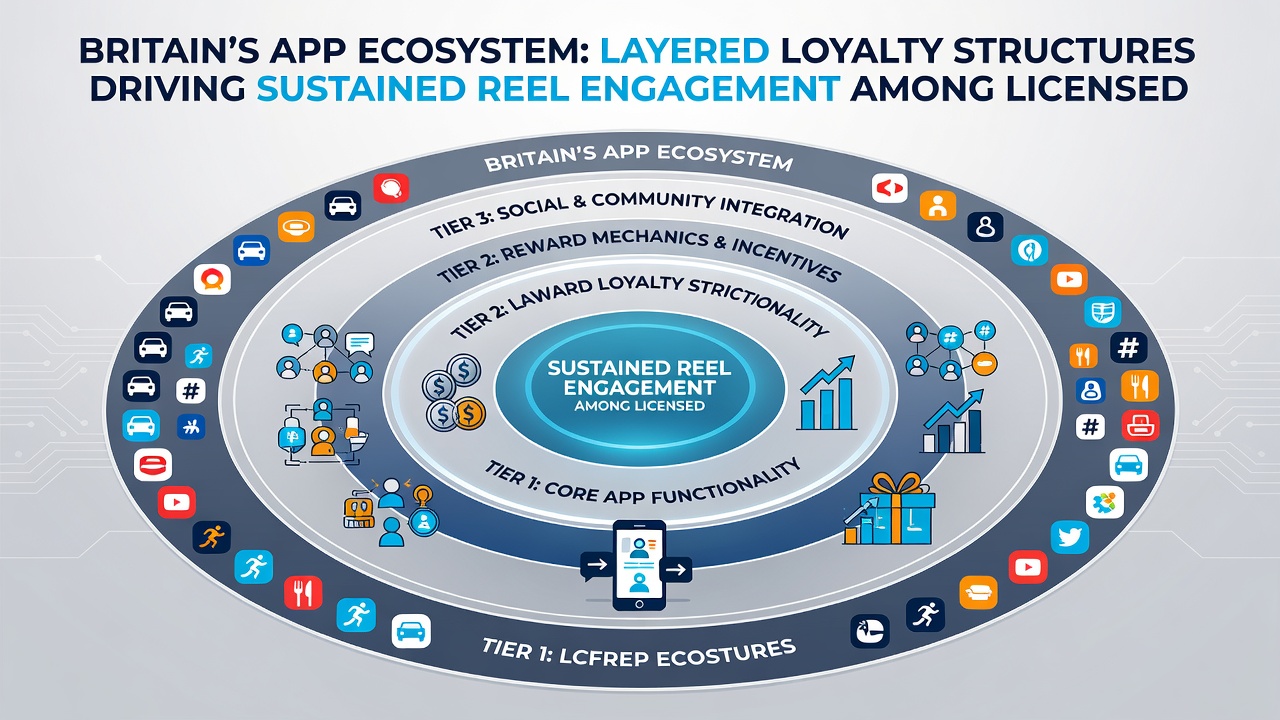
August 2026 brought additional updates to several major apps, where operators introduced cross-tier challenges that combined reel play with social features, allowing users to pool points toward collective rewards. Those tracking these changes report that such modifications align with patterns observed in comparable markets like Australia's regulated online sector, where similar layered incentives have produced measurable lifts in daily active users. The ball's in the operators' court to refine these pathways as user preferences evolve, and data shows that apps incorporating real-time tier previews tend to outperform simpler versions in retention benchmarks.
Regulatory Context and Market Data
Licensed operators must adhere to standards set by bodies such as the Malta Gaming Authority when implementing loyalty features, which ensures that reward structures remain transparent and do not encourage excessive play. Reports from the Canadian Gaming Association highlight parallels in how tiered systems operate across jurisdictions, with British apps emphasizing clear communication of point expiration and redemption rules. Evidence suggests that these compliance measures support long-term engagement by building trust, while operators monitor aggregate data to fine-tune tier benefits without targeting individual behaviors.
Take one case where an operator introduced a mid-year tier reset in 2026, and subsequent metrics showed a temporary surge in reel activity as users sought to re-qualify for higher rewards. Researchers at the University of Sydney's gambling studies unit have documented comparable outcomes in other regions, noting that layered loyalty often sustains activity levels more effectively than flat reward systems. Yet the writing's on the wall that ongoing adjustments will be necessary as market dynamics shift.
Future Patterns in Reel Engagement
Observers note that continued investment in app infrastructure allows operators to experiment with loyalty integrations such as personalized reel recommendations based on tier status. Industry analyses from the European Betting and Gaming Association project steady expansion of these features through the remainder of 2026, driven by competition among licensed providers. Those who've studied this landscape find that the combination of layered rewards and mobile accessibility creates durable engagement cycles, particularly when operators refresh content libraries in tandem with loyalty milestones.
Conclusion
Britain's licensed operators continue to refine app-based loyalty layers as a core driver of sustained reel engagement, with data indicating measurable impacts on session duration and user retention across regulated platforms. The approach draws from established practices while adapting to local requirements, and external sources like the European Gaming and Betting Association provide benchmarks that operators reference when evaluating program performance. As apps evolve, these structures remain central to how players interact with reel content on a recurring basis.