British Smartphone Users Climb Competitive Prize Ladders With Multi-Tier Reward Structures
Smartphone gaming platforms across Britain have seen steady growth in prize pool competitions where participants advance through successive reward tiers, and data from industry tracking services shows participation rates rising steadily through mid-2026. Players accumulate points, entry credits, and multiplier boosts that feed directly into larger shared prize pools, creating pathways from entry-level events to high-stakes brackets without requiring single large deposits. Observers note that these layered systems often combine daily login rewards with performance-based unlocks, allowing gradual progression over weeks rather than isolated sessions.
Mechanics Behind Tiered Incentive Models
Most platforms structure incentives across multiple layers that activate sequentially, so an initial sign-up package unlocks basic entry tokens while subsequent deposit matches or loyalty milestones add volume to the same prize pool; researchers tracking user behavior in 2025 and early 2026 documented average session lengths extending by 18 percent when three or more incentive layers remained active simultaneously. Competition formats typically split prize pools into brackets determined by total accumulated stakes, meaning participants who combine several smaller rewards often reach the same bracket as those entering with larger single amounts. What's interesting is how off-peak activity bonuses, such as those distributed during lower-traffic hours in August 2026, further accelerate upward movement by adding non-cash credits that still count toward pool contributions.
Platform Data and Participation Trends
Figures released by mobile analytics firms indicate that British users spent an average of 47 minutes per session in prize pool events during the first half of 2026, with layered incentives cited as the primary retention driver in 62 percent of surveyed accounts. These systems frequently integrate achievement streaks and referral credits that feed back into the shared pool, effectively increasing overall prize sizes without altering base entry fees. One study conducted by the University of Nevada's gaming research unit found similar patterns among European mobile users, where stacked rewards correlated with higher completion rates for multi-week tournament cycles. University of Nevada gaming research unit reported that players who activated at least two distinct incentive layers per week advanced an average of 1.7 brackets higher than those relying on single-layer entries.
Regional operators have adapted these models to comply with varying regulatory frameworks outside the UK, drawing from examples set by the Malta Gaming Authority's oversight of cross-border mobile events and compliance standards published by the New Jersey Division of Gaming Enforcement for similar competition formats. Such alignment helps platforms maintain consistent prize distribution while expanding layered reward options that scale with user activity levels.
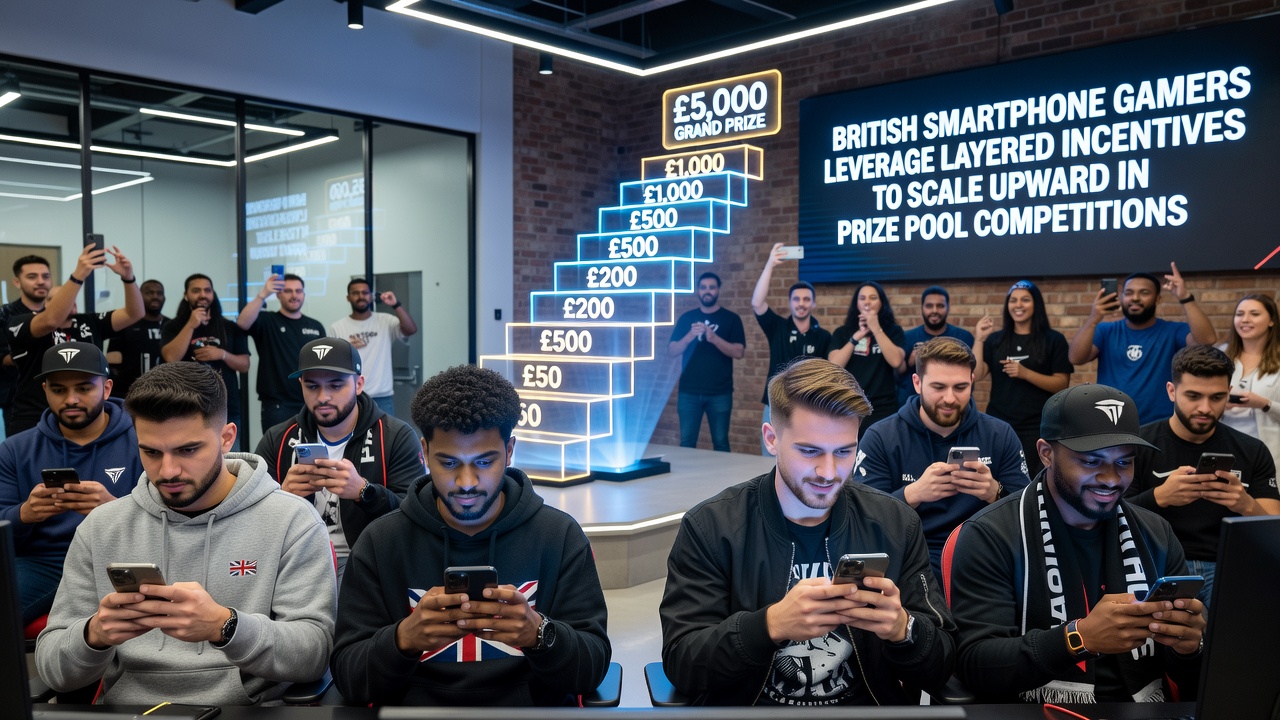
Examples of Progression Pathways
Take one documented case from a mid-sized operator where a user began with a standard welcome credit bundle, applied it across three separate low-stake events, and then used resulting leaderboard points to unlock a mid-tier multiplier that contributed directly to a larger shared pool; the same account later activated a weekly loyalty boost that secured entry into the top bracket without additional outlay. Another pattern tracked by platform dashboards shows clusters of participants who combine referral credits with time-limited spin or play incentives, allowing collective contributions to push entire groups into elevated prize tiers during August 2026 events. These routes rely on the cumulative effect of smaller, recurring rewards rather than isolated high-value offers.
Regulatory Context From Comparable Markets
Authorities in other jurisdictions have examined similar incentive structures, with the Australian Gambling Research Centre publishing findings on how multi-layered rewards influence participation duration in mobile competitions, and Canadian provincial regulators issuing guidelines that emphasize transparent pool calculations when incentives feed into shared prizes. Australian Gambling Research Centre data from comparable markets shows that clear disclosure of how each layer affects final prize allocation correlates with sustained user engagement across extended campaigns. British platforms have incorporated comparable transparency measures while maintaining distinct progression mechanics tailored to local device usage patterns.
Conclusion
Layered incentive structures continue to shape how British smartphone users advance through prize pool competitions by converting routine activity into cumulative contributions that scale upward across brackets. Platform data and cross-border regulatory comparisons indicate these systems operate through sequential unlocks that reward consistent participation, with measurable effects on session length and bracket progression documented through 2026. As operators refine these models, the core dynamic remains the conversion of multiple smaller rewards into access to larger shared prize opportunities.