
Charting Mobile App Pathways from Zero-Deposit Spins to Layered Jackpot Growth Across Britain's Regulated Slot Networks
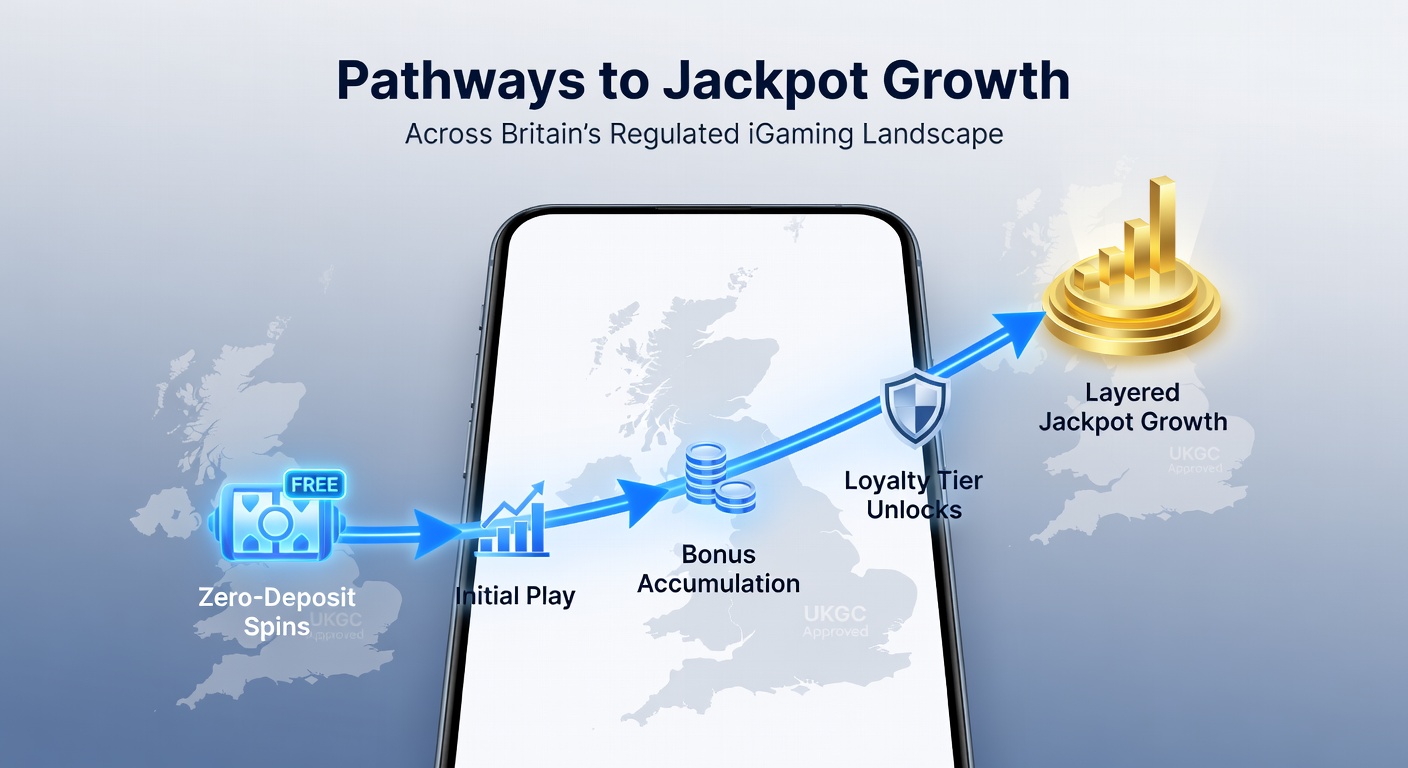
Developers have mapped user journeys inside Britain's regulated slot applications where initial access begins through zero-deposit mechanisms that feed directly into accumulating prize layers, and these pathways operate within frameworks that track every transition from free rounds to multi-tiered jackpot contributions.
Application structures route new accounts into spin sequences that require no initial funds yet still register activity against central prize pools, while subsequent deposits unlock additional layers that multiply contribution rates toward shared progressive totals across networked operators.
Zero-Deposit Entry Points and Their Integration with Prize Pools
Slot networks configure entry sequences so that zero-deposit spins register as valid plays against jackpot meters, and data from regulatory audits show these initial rounds contribute measurable percentages to overall pool growth even before any real-money transfer occurs. Operators embed tracking scripts that log each free activation, then convert participation metrics into layered eligibility that scales automatically once funded play begins.
Pathway algorithms prioritize session continuity by carrying forward any accumulated meter credits from the zero-deposit phase, which means users transition seamlessly into standard wagering without resetting progress toward higher jackpot tiers.
Layered Accumulation Mechanics Across Networked Applications
British slot systems divide jackpot growth into discrete contribution bands where base spins feed the lowest tier while bonus-activated rounds direct portions into secondary and tertiary pools, and application interfaces display real-time meter movements that reflect these layered allocations. Network protocols synchronize contributions across multiple operators so that a single session on one application can influence prize levels visible on partner platforms.
Studies released in June 2026 by the Malta Gaming Authority indicate that synchronized cross-operator meters have increased average pool sizes by documented margins when zero-deposit activity feeds into the structure from the outset. Developers adjust contribution percentages dynamically based on session volume, ensuring that early free spins maintain proportional influence on final prize calculations.
Regulatory Oversight and Technical Compliance Standards
Compliance frameworks require every mobile pathway to maintain auditable logs that separate zero-deposit activity from funded play while still allowing both to influence shared jackpots, and independent testing laboratories verify that meter increments follow predefined formulas without manual intervention. These standards extend to session handoff protocols that preserve user state across devices, preventing any loss of accumulated jackpot eligibility during platform switches.
According to figures published by the New Jersey Division of Gaming Enforcement, similar layered contribution models have demonstrated consistent growth patterns when initial access points remain open to verified accounts regardless of deposit status.
Application-Level Routing and User State Management
Backend systems employ state machines that advance users through defined stages: zero-deposit activation, meter registration, tier eligibility, and jackpot claim processing, with each stage triggered by predefined thresholds rather than manual selection. Mobile applications surface these stages through progressive interface elements that highlight current position within the overall pathway without requiring separate navigation.
Network operators coordinate through shared APIs that broadcast meter updates at fixed intervals, ensuring that growth from any single application's zero-deposit traffic registers uniformly across all connected platforms. Observers note that this synchronization reduces discrepancies that previously arose when isolated systems calculated contributions independently.
Conclusion
Technical documentation continues to evolve around these mobile pathways, with emphasis on maintaining transparent connections between zero-deposit entry points and the layered jackpot structures that define Britain's regulated slot environment. Continued synchronization across operators supports measurable pool expansion while preserving compliance with established audit requirements.