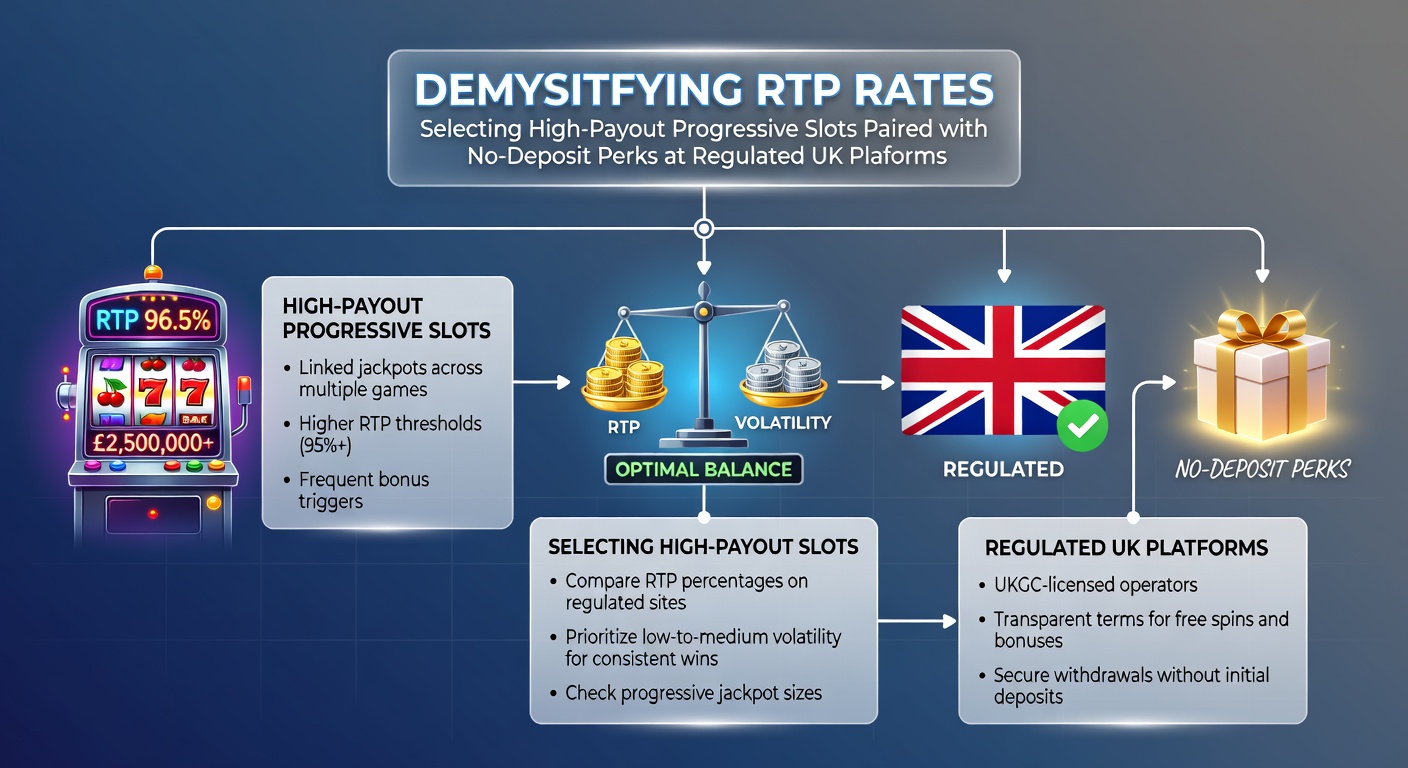
Demystifying RTP Rates: Selecting High-Payout Progressive Slots Paired with No-Deposit Perks at Regulated UK Platforms
Unpacking RTP: The Core Metric Behind Slot Returns
RTP, or Return to Player, stands as the mathematical backbone of every slot game, representing the percentage of wagered money a slot returns to players over millions of spins; figures typically range from 92% to 98% across regulated platforms, although progressive slots often sit lower due to jackpot contributions. Data from independent auditors like eCOGRA reveals that higher RTP slots, those above 96%, deliver better long-term value, even as short-term variance swings outcomes wildly. Experts observe how casinos display these rates in game info panels or paytables, allowing players to compare options before spinning; take one popular progressive where RTP hovers at 96.5%, meaning for every £100 wagered, £96.50 theoretically returns over time, while the rest fuels prizes and house edge.
But here's the thing: RTP doesn't guarantee wins per session—it's a long-game statistic, aggregated across thousands of players and spins, so one punter might hit big early, whereas others chase hours without payoff. Researchers who've analyzed millions of spins note variance plays a huge role too, with low-volatility slots paying smaller, frequent wins alongside their RTP, yet high-volatility progressives hoard payouts for those rare, life-changing jackpots. Platforms regulated for UK players must publish accurate RTP data, verified by third parties, ensuring transparency that separates solid choices from underperformers.
Progressive Slots: Where Jackpots Build and RTP Takes a Hit
Progressive slots link prize pools that grow with each bet across networks of machines or sites, turning standard top prizes into multimillion-pound behemoths; local progressives stay site-specific, but networked ones, like those tied to global providers, swell rapidly as players worldwide contribute fractions per spin. Studies from the Isle of Man Gambling Supervision Commission highlight how these mechanics divert 5-10% of RTP into jackpots, dropping base returns to 88-94%, compensated by the chance at escalating pots that reset after wins. One case saw a networked progressive climb to £12 million before payout in early 2026, drawing crowds despite its 92.3% RTP, because the upside outweighed steady low-payers.
What's interesting lies in the structure: base game RTP stays fixed, but jackpot meters add volatility, creating thrill as pots near critical levels—observers track these via leaderboards or apps, timing entries when values peak. And while RTP feels static, software ensures fairness, with random number generators audited regularly; people who've dug into provider specs, like Microgaming or NetEnt, find top progressives blending 94%+ base RTP with no-deposit friendly mechanics.
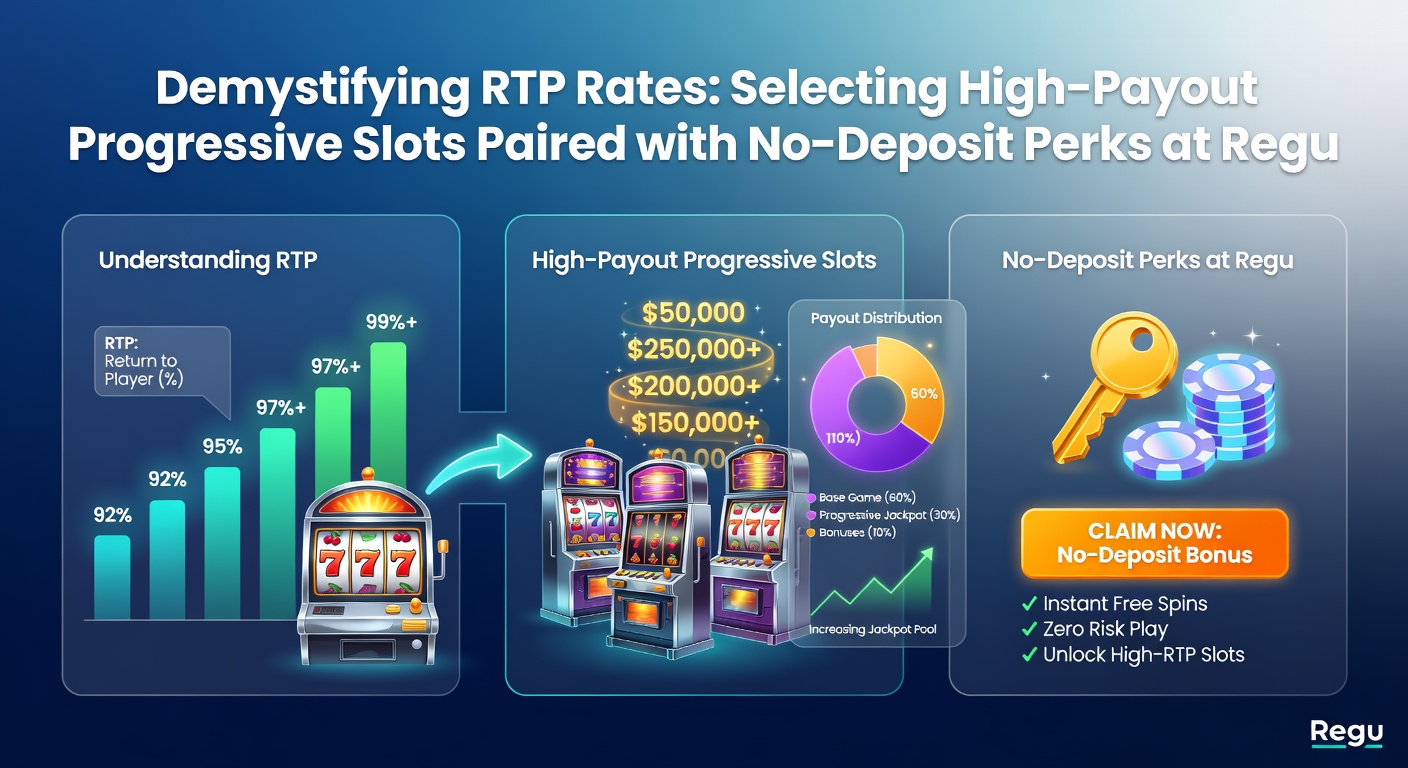
Spotting High-Payout Progressives: Tools and Telltale Signs
Players zero in on high-payout progressives by checking RTP listings on casino lobbies or aggregator sites, prioritizing those above 95% where possible, although jackpot diversion keeps many at 93-96%; volatility meters, often color-coded, signal if a slot suits risk appetites, with high-volatility beasts promising bigger blasts. Take Hall of Gods from NetEnt, clocking 95.3% RTP with Norse-themed networked pots that hit £5 million routinely, or Mega Fortune at 96.6%, where luxury bonuses feed the climbs—both shine on UK platforms as verifiable high-payers. Tools like casino comparison charts rank these by current RTP and jackpot size, updated daily; experts recommend filtering for mobile-optimized versions, since touchscreens handle progressive hunts seamlessly.
Now, digging deeper, paytable analysis uncovers contribution rates—say, 2% per spin to the pot—balancing RTP drops against growth speed; those who've mastered this spot gems like Divine Fortune (96.59% RTP), where minor and major jackpots layer atop the mega for frequent tiered wins. Regulated sites mandate full disclosure, so hovering over game thumbnails reveals stats instantly, cutting guesswork.
No-Deposit Perks: Free Entry to Progressive Action
No-deposit bonuses hand free spins or credits upon signup, letting players test high-RTP progressives without upfront cash; typical offers deliver 10-50 spins on select slots, carrying 30-50x wagering terms that must clear before cashouts. Data indicates these perks thrive on UK platforms, especially in April 2026 amid competitive spring promotions, where sites like those licensed under stringent oversight pair 20 free rounds on 96% RTP progressives with minimal strings. One platform recently launched 25 no-deposit spins on Age of the Gods, a 95.02% RTP series with Greek myth jackpots, drawing signups as pots neared £2 million.
But here's where it gets interesting: these perks often target progressives, boosting exposure without risk, although wins cap at £100-£500 until wagering lifts; people familiar with terms chase low-wager variants (20x or less), turning free plays into real stakes faster. Platforms rotate these daily, syncing with peak jackpot moments, so timing signups aligns freebies with hot pots—straightforward, yet potent for extending play.
Regulated UK Platforms: Where Safety Meets Slot Strategy
Platforms serving UK players operate under rigorous licensing, enforcing RTP accuracy, secure payments, and responsible tools like deposit caps; these sites, often dual-licensed with authorities beyond borders, host verified progressives from top providers, audited for fairness quarterly. Features like self-exclusion and reality checks come standard, while SSL encryption shields data during no-deposit claims—essential as jackpots lure high traffic. As of April 2026, observers note a surge in mobile-first platforms offering these combos, with apps loading progressives in seconds for on-the-go spins.
Yet the real edge emerges in bonus integration: regulated operators tie no-deposit perks to high-RTP titles, ensuring contributions feed jackpots legally; take LeoVegas or similar, where 50 free spins land on Mega Moolah variants (88.12% base RTP, but network pots exceed £10 million), all while RNGs pass independent tests. Players access full lobbies via apps, scanning RTP filters alongside live jackpot feeds—efficient hunting ground.
Pairing It All: Strategies for RTP-Driven Progressive Wins
Combining high-RTP progressives with no-deposit perks starts with lobby scans for 95%+ slots boasting active bonuses; sign up, claim spins, and target must-drop jackpots under £100k for quicker hits, since volatility eases there. One study revealed players clearing 40x wagering on £20 free wins by sticking to base games first, preserving bonuses for jackpot hunts; platforms often sweeten with 100% reloads post-no-dep, extending sessions on titles like Gonzo's Quest Megaways (96% RTP progressive layer). Mobile users gain edge too, as push notifications flag bonus drops syncing with pot spikes—smart, seamless.
And for depth, trackers like SlotCatalog log RTP histories, confirming consistency; those who've paired 30 no-dep spins on Book of 99 (99% RTP, minor progressive) report faster clears, blending steady returns with upside. Wagering savvily—low bets on high lines—maximizes spins, while cashing minors funds majors; straightforward tactics, backed by data, amplify odds without extra outlay.
Challenges persist, sure: progressives' RTP dips demand patience, and bonus terms bind wins, but regulated transparency lets players calculate edges upfront. Examples abound, like a 2026 April payout where no-dep spins triggered a £250k minor on Divine Fortune, showcasing the combo's punch.
Wrapping Up the RTP-Progressive Puzzle
High-payout progressives paired with no-deposit perks on regulated UK platforms offer verifiable paths to extended play and jackpot shots, grounded in transparent RTP data and audited fairness; players equip themselves by prioritizing 95%+ rates, timing bonuses with hot pots, and leveraging mobile tools for real-time edges. As networks grow—hitting £15 million marks routinely in 2026—strategic selection turns math into momentum, all within safe, structured environments. Those who master the metrics position best, chasing pools that pay big when stars align.