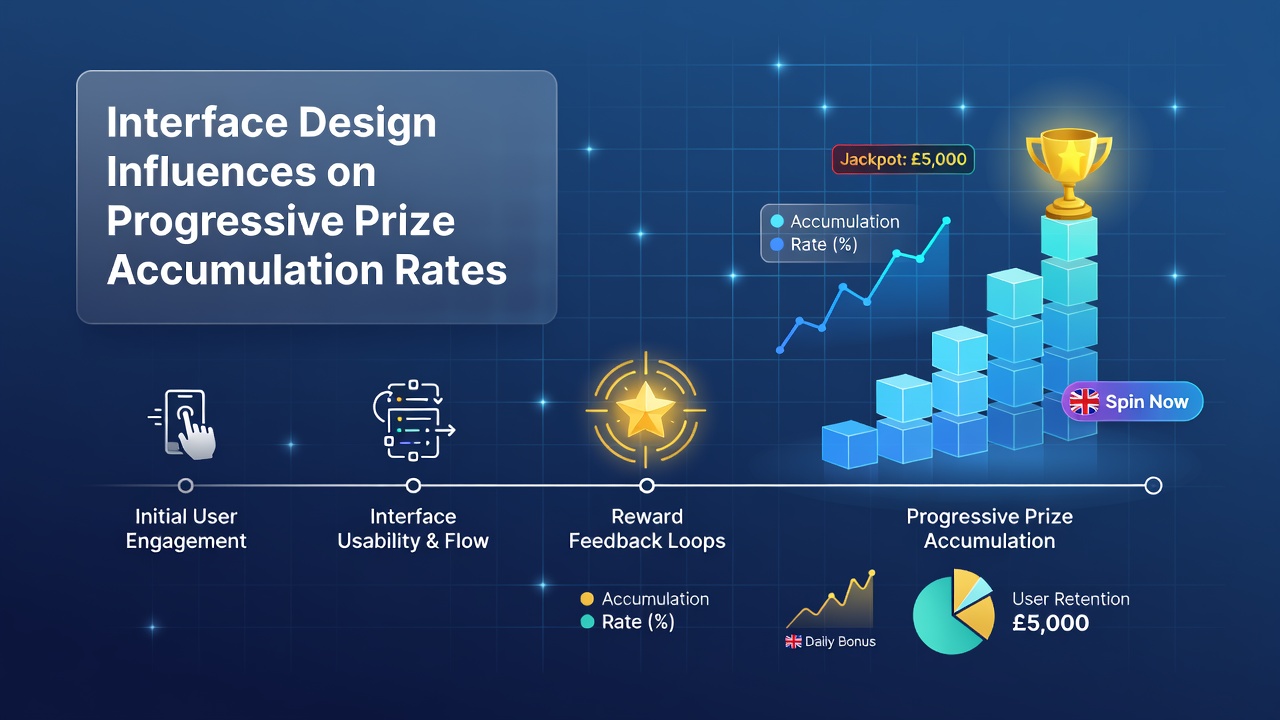
How Visual and Interactive Elements in Mobile Interfaces Affect Progressive Jackpot Accumulation in UK Gaming Applications
British mobile gaming applications have incorporated progressive jackpot systems where prize pools grow through player contributions across networks, and interface design plays a measurable role in how quickly those pools expand. Designers arrange buttons, meters, animations and feedback loops to guide user actions that directly feed into accumulation rates, since each bet placed adds a percentage to the shared prize. Data from industry analyses show that players engage more frequently when layouts reduce friction between spins and when real-time jackpot displays update smoothly without delays.
Core Interface Components That Drive Bet Frequency
Progressive prize accumulation depends on the volume and size of wagers processed per minute, which interface elements influence through placement and responsiveness. Large, centrally positioned spin buttons encourage repeated taps while surrounding bet selectors allow quick adjustments without leaving the main screen. Studies from the University of Nevada, Las Vegas Gaming Innovation Lab indicate that applications using one-tap bet increase options record higher average spins per session compared to those requiring menu navigation, because users maintain momentum and contribute steadily to the prize pool.
Jackpot meters that pulse or enlarge during growth phases draw attention to rising totals, prompting players to sustain activity. These visual cues integrate with sound design so incremental rises register immediately, and operators note corresponding lifts in contribution rates when meters refresh every few seconds rather than at fixed intervals. Colour gradients shifting toward brighter tones as pools near thresholds further reinforce continued play without explicit prompts.
Touch Response and Session Continuity Features
Touch optimisation affects accumulation because lag or imprecise controls interrupt betting sequences that would otherwise add to progressive totals. Applications employing predictive touch areas and haptic confirmation reduce missed inputs, allowing sessions to extend naturally. Figures from the Australian Gambling Research Centre reveal that optimised mobile interfaces correlate with longer average play durations in jackpot-enabled titles, since users encounter fewer interruptions that might otherwise prompt session termination.
Auto-play toggles combined with clear progress indicators let players set parameters while the interface continues displaying live prize growth, maintaining engagement even during extended runs. Developers position these controls at screen edges to avoid accidental activation yet keep them accessible, balancing convenience with deliberate interaction that still feeds the prize pool at consistent rates.
Notification Systems and Their Effect on Return Rates
Push and in-app alerts about jackpot milestones influence how often users reopen applications and resume betting. Timed notifications highlighting recent contributions or nearing thresholds encourage returns within short windows, increasing the frequency of prize pool deposits across the player base. Research published by the Canadian Centre for Gaming Research demonstrates measurable upticks in daily active users following well-timed milestone alerts, directly translating to accelerated accumulation when multiple users respond simultaneously.
Interfaces that surface historical win data alongside current meters provide context without requiring separate screens, keeping players oriented toward ongoing growth. This presentation style supports informed bet sizing decisions that can elevate contribution percentages when users opt for higher stakes after viewing past payout patterns.
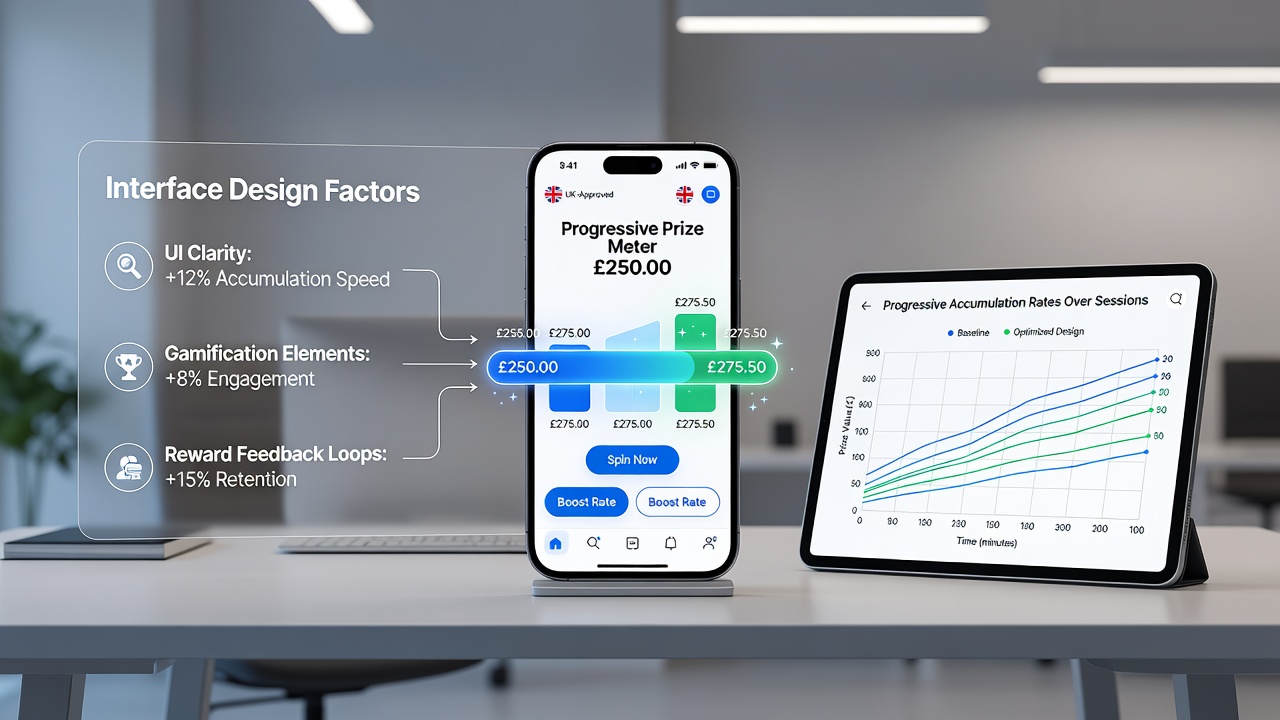
Layout Adaptations Across Device Orientations
Portrait and landscape modes each present distinct opportunities for prize accumulation because screen real estate changes affect control density and information visibility. Portrait layouts typically stack meters above spin areas for immediate visibility, while landscape configurations spread controls horizontally to support thumb placement during one-handed use. Applications that maintain consistent jackpot visibility across both orientations avoid drops in betting activity when players rotate devices, preserving steady contribution flows.
Dynamic scaling of interface elements ensures meters remain prominent regardless of device size, and operators track corresponding stability in accumulation curves when these adaptations function without visual distortion. As of June 2026, several British platforms have refined these responsive behaviours following internal performance metrics that link layout consistency to sustained player input rates.
Conclusion
Interface design elements such as button placement, visual feedback timing, notification scheduling and orientation handling collectively shape how rapidly progressive prize pools expand in British mobile gaming applications. Each adjustment that increases bet frequency or session length adds incremental contributions that compound across the network. Observers tracking these patterns note that continued refinement of these components aligns with observable shifts in accumulation velocity, supported by data from multiple research bodies outside the UK regulatory framework.