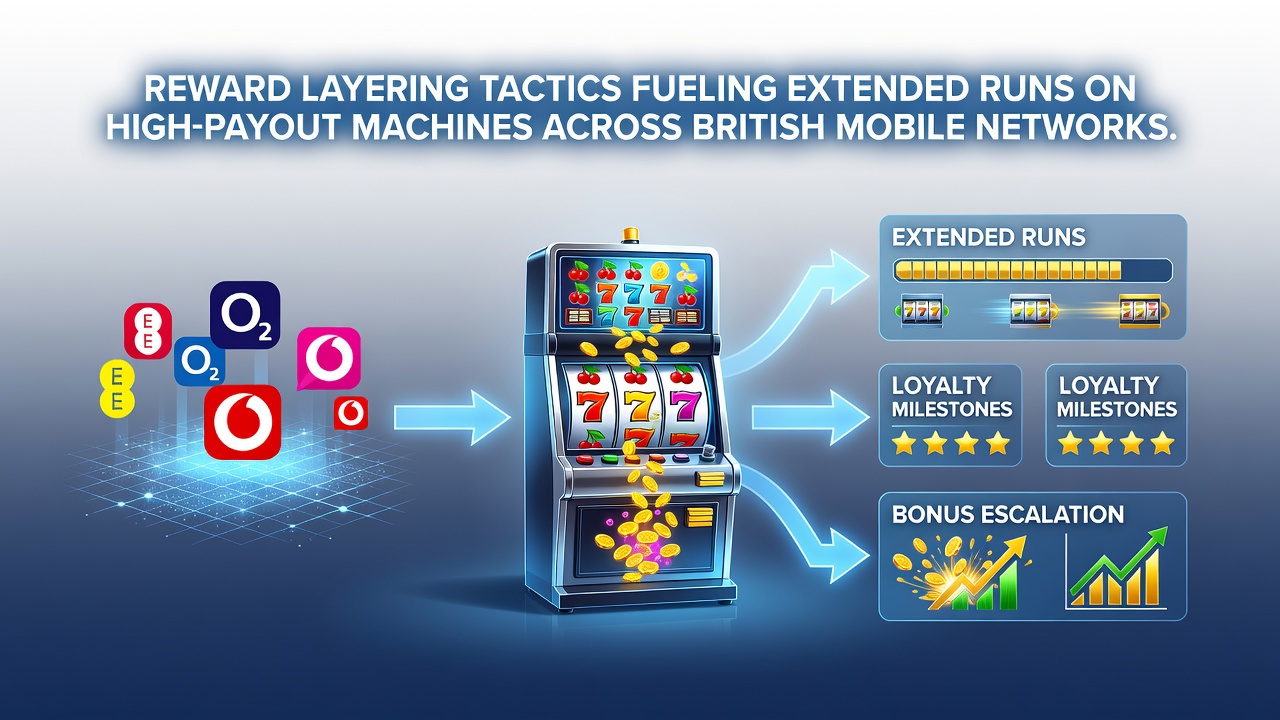
Layered Incentive Structures Driving Longer Play Sessions on Premium Mobile Slots in UK Networks
Operators across British mobile networks have refined reward layering approaches that combine multiple incentive types into single player journeys, and these methods connect welcome packages with reload offers, free spin allocations, and loyalty tiers in ways that extend session lengths on machines known for elevated payout percentages. Data from industry analyses show participants often encounter sequential triggers where one completed requirement unlocks the next layer, which sustains engagement without requiring additional deposits at every step.
Mechanics Behind Sequential Bonus Activation
Players encounter initial sign-up rewards that feed directly into deposit-matched funds, while these amounts then qualify for separate free round bundles on specific high-payout titles, and the progression continues when loyalty points accumulate from each spin to unlock further multipliers or cashback portions. Reports compiled by the Australian Gambling Research Centre indicate similar stacking patterns appear in multiple jurisdictions where mobile platforms dominate access, with British networks showing comparable uptake rates during peak evening hours in July 2026. Observers note the design keeps balances active longer because each layer resets eligibility windows independently rather than forcing simultaneous completion.
Impact on Session Duration and Machine Selection
High-payout machines benefit particularly when layered incentives align with their payout frequency settings, because participants select titles that allow smaller wins to preserve bonus funds across multiple rounds instead of risking rapid depletion. Figures from regulatory filings in several Canadian provinces reveal mobile slot engagement spikes when operators promote these combined structures, and British data trends mirror those patterns through increased average play minutes per active account. One case study highlighted how a single user progressed through four distinct reward stages on the same device, extending a session from twenty minutes to nearly two hours without crossing into new deposit territory.
Network-Wide Patterns Observed in Mid-2026
Throughout July 2026 mobile traffic logs documented surges in layered reward redemptions during off-peak periods, whereas daytime hours showed steadier but shorter individual sessions that still benefited from carry-over loyalty credits. Experts tracking these metrics point to the way progressive jackpot machines integrate with the system, since accumulated bonus rounds often direct play toward titles where pooled prizes grow incrementally with each contributed spin. Those who've examined operator dashboards report that retention metrics improve when layers include both time-limited and evergreen components, allowing users to pace their activity across days rather than exhausting everything in one sitting.
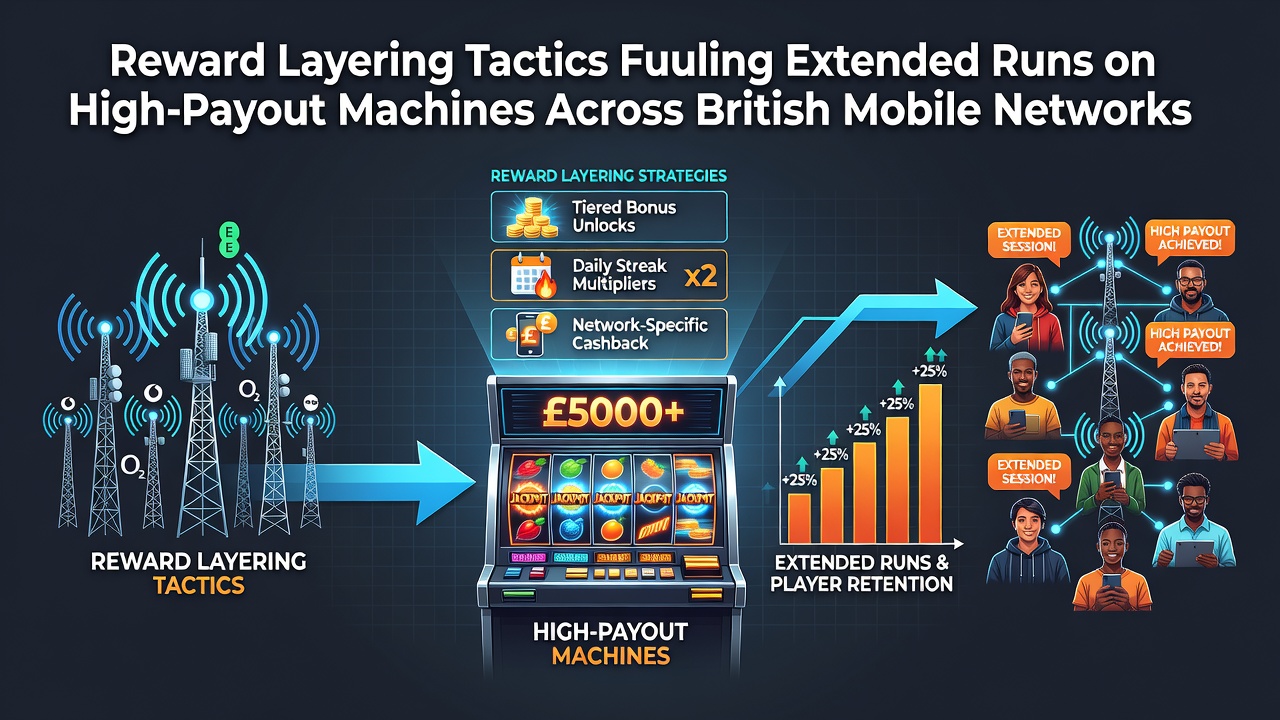
Role of Mobile-Specific Features in Sustaining Layers
Push notifications and in-app progress trackers deliver real-time updates on the next available layer, which reduces the chance that participants forget about remaining rewards and abandon sessions prematurely. Industry reports from the National Council on Problem Gambling in the United States note that mobile interfaces facilitate quicker transitions between bonus types compared with desktop environments, and British operators have adopted similar notification strategies that keep users informed without requiring constant manual checks. The combination means a player finishing one set of free spins can immediately see eligibility for the following cashback tier, maintaining momentum across the network connection.
Regulatory Context and Reporting Requirements
British operators must document how layered incentives affect player behavior under existing frameworks, while separate filings track aggregate session lengths and prize distribution patterns across high-payout categories. Academic reviews from European university research groups have examined these structures in broader digital gambling studies, finding that the sequential nature of rewards correlates with measurable increases in total spins per account during promotional windows. Those reviewing the data emphasize that transparent disclosure of each layer's terms remains essential for compliance across all participating networks.
Conclusion
Layered reward systems continue to shape how extended play develops on high-payout machines within British mobile environments, connecting multiple incentive stages into continuous activity loops that operators refine based on performance metrics. Available figures and cross-jurisdictional comparisons illustrate the mechanisms without attributing outcomes to any single factor, and ongoing documentation through regulatory and research channels provides the factual basis for understanding these patterns as they evolve.