Navigating Loyalty Structures That Shape Extended Reel Sessions at Regulated Digital Venues
Regulated digital venues operate loyalty structures that track player activity across reel-based games and convert that activity into tiered benefits, and these frameworks directly influence how long sessions continue before participants decide to stop. Points accumulate based on wager volume and game type while higher tiers unlock faster reward rates along with exclusive access to events and customized support, according to industry analyses from multiple markets. Players often find themselves extending sessions because the visible progress toward the next tier creates incremental incentives that feel immediate yet compound over time, and data from operator reports show average session lengths increase by measurable margins once participants enter mid-level tiers.
Core Mechanics Behind Point Accumulation and Redemption
Loyalty points typically convert from real-money wagers at rates that vary by game category, with reel sessions on slots often earning points at a baseline ratio while table games or live dealer options receive adjusted multipliers depending on the venue's risk model. Redemption options range from bonus credits and free reel spins to physical merchandise or travel packages, and participants in regulated environments must meet identity verification standards before any payout occurs. Observers note that transparent rules about expiration dates and minimum redemption thresholds help maintain trust, whereas opaque systems tend to see lower engagement rates over extended periods.
Tier Progression and Session Extension Patterns
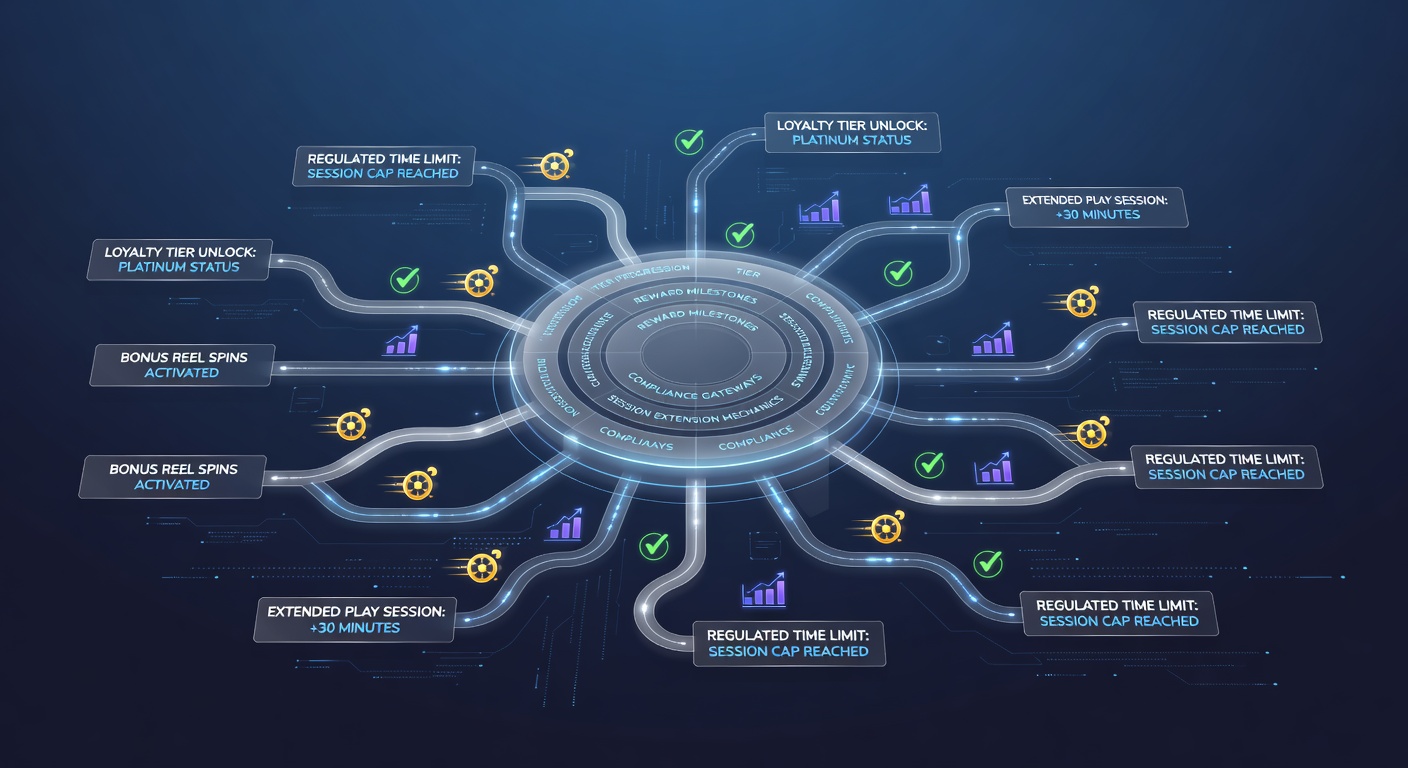
Most loyalty programs divide participants into levels such as bronze, silver, gold, and platinum, each requiring cumulative points earned within a rolling qualification window. Advancement brings accelerated earning rates so that the same wager volume generates more points at higher tiers, and this acceleration frequently motivates players to maintain continuous reel sessions rather than pausing between visits. Research from academic sources on behavioral economics in gaming indicates that visible progress bars and countdown timers to the next tier correlate with longer continuous play intervals because the psychological momentum builds as thresholds approach. Those who study player retention data across multiple jurisdictions report that tiered structures produce the strongest effects when combined with time-limited challenges that reset monthly or quarterly.
Regulatory Oversight Across Different Regions
Government bodies enforce standards that require clear disclosure of how loyalty points convert into rewards and how personal data feeds into tier calculations. In Australian markets, state-level commissions mandate regular audits of loyalty algorithms to prevent hidden adjustments that could extend sessions beyond player intent, while Canadian provincial regulators focus on ensuring minors cannot participate and that self-exclusion tools integrate directly with loyalty tracking systems. European operators follow cross-border guidelines that emphasize responsible gaming messages at key decision points during extended reel play. These frameworks create environments where loyalty benefits remain attractive without overriding player control mechanisms, and compliance reports published in 2025 highlighted consistent improvements in transparency metrics.
Impact on Player Behavior in May 2026 Landscape
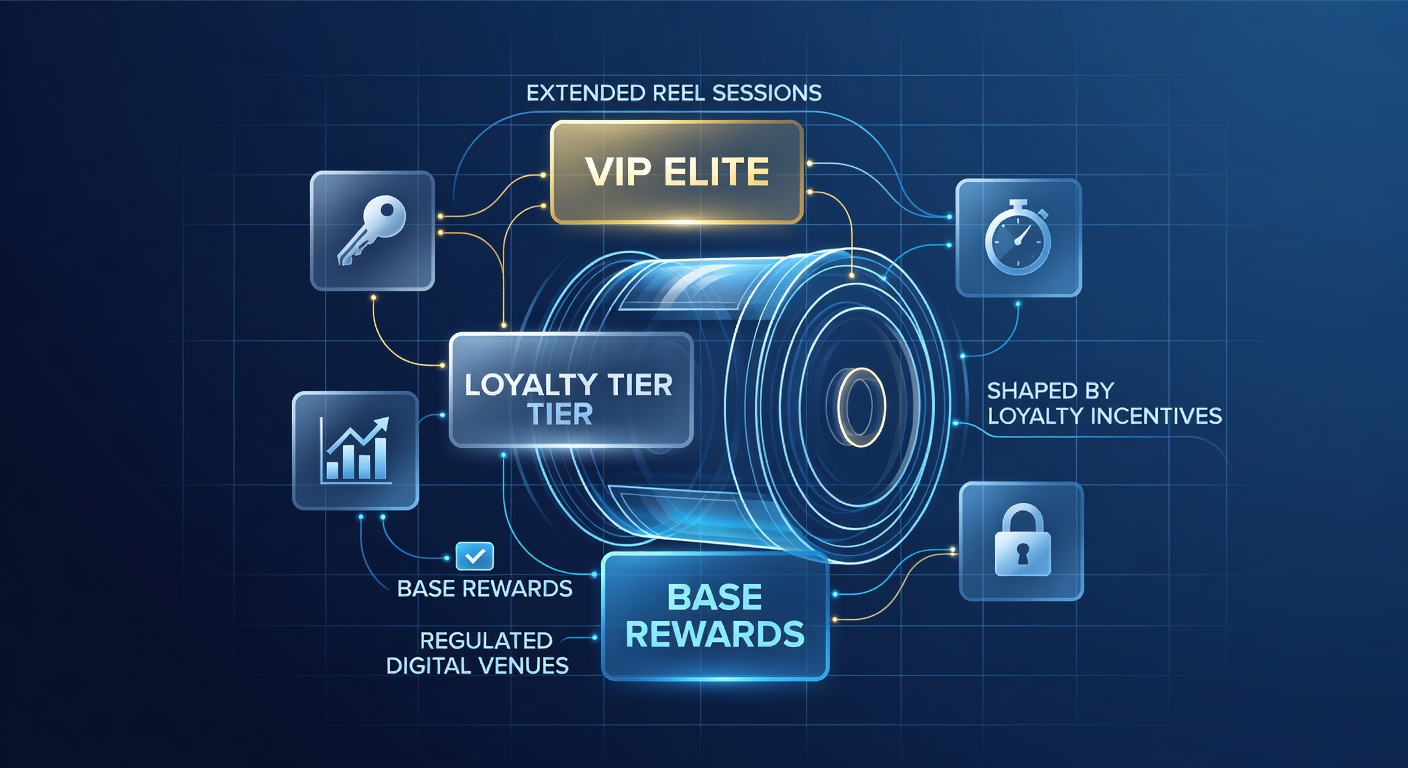
By May 2026, several major operators had introduced dynamic loyalty adjustments that respond to real-time session data while still complying with responsible gaming caps. Figures from industry associations reveal that players who reach gold tier or above show session durations averaging 35 percent longer than entry-level participants, yet the same data sets indicate higher voluntary break rates when venues display session timers alongside loyalty progress. What's interesting is how venues balance these mechanics: some tie bonus reel spins to minimum play intervals that reward steady engagement without forcing continuous hours, and others offer tier maintenance bonuses that activate only after a cooling-off period. Researchers at university-led studies on digital gaming have documented that such balanced approaches reduce the likelihood of unintended marathon sessions while preserving the motivational pull of loyalty rewards.
Examples From Established Markets
Take one operator in a North American regulated market that redesigned its loyalty dashboard to display projected time to next tier based on current reel wager pace, and participants reported clearer decision points about when to pause. Another example comes from an Asian-Pacific jurisdiction where loyalty points earned during off-peak hours receive temporary multipliers, leading to observable clustering of extended sessions during those windows without violating local time-limit rules. These cases illustrate how small adjustments to the underlying structure can shift session patterns while remaining within regulatory boundaries, and trade group publications note that similar experiments continue across additional markets.
Future Adjustments and Data Trends
Operators continue refining loyalty algorithms to incorporate machine learning that predicts when extended reel sessions might cross into higher-risk territory, then surfaces tailored offers that encourage breaks instead of further play. Data released through industry reports in early 2026 shows modest declines in average session length among high-tier players after such interventions, suggesting the structures can evolve to support both engagement and moderation simultaneously. External links to regulatory summaries from bodies like the Nevada Gaming Control Board and analyses by the European Gaming and Betting Association provide ongoing benchmarks for how these systems perform under different oversight models.
Conclusion
Loyalty structures in regulated digital venues function as interconnected systems that reward consistent reel activity while operating under strict disclosure and auditing requirements. Tier progression, point conversion rates, and redemption options combine to shape session length in measurable ways, and ongoing regulatory updates through 2026 continue to refine how these incentives align with player protection standards. Observers tracking the sector see steady movement toward more transparent dashboards and adaptive reward schedules that respond to both engagement metrics and responsible gaming signals, creating environments where extended play remains possible yet better informed by visible data at every stage.