
Stacked Incentive Architectures Sustaining Longer Play on Accumulative Jackpot Systems Across Britain's Licensed Mobile Platforms
Data compiled through July 2026 shows that Britain's licensed mobile gambling platforms rely on stacked reward layers to extend user sessions around accumulative prize features, where initial sign-up credits combine with reload multipliers and loyalty tiers to keep players engaged with growing jackpot pools. These structures operate under strict licensing rules that require clear disclosure of terms, yet operators design them to create sequential entry points that encourage repeated deposits and continued spins without violating those boundaries.
Core Components of Layered Reward Systems
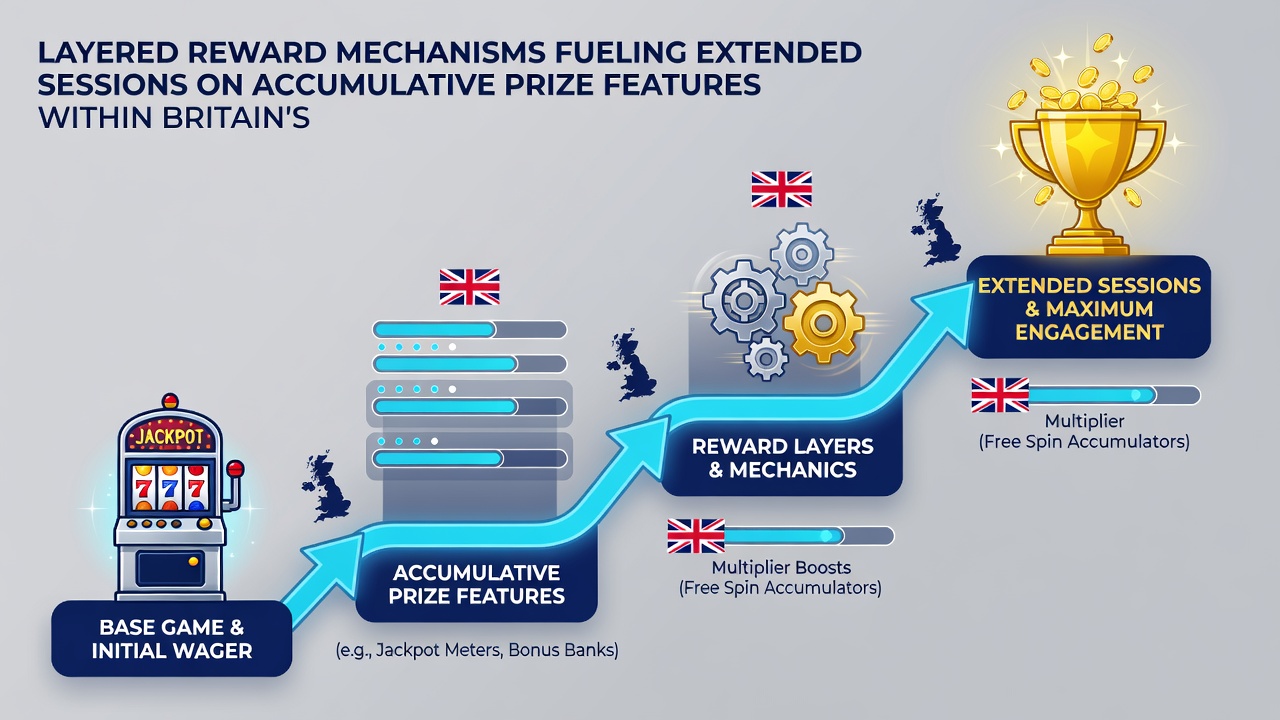
Platform operators structure rewards so that base welcome packages feed directly into ongoing play incentives, and data from multiple operators indicates that players who activate the first layer often proceed to the second within the same session, while those reaching loyalty milestones receive additional free rounds tied specifically to progressive slot titles. Observers note that this sequencing produces measurable increases in average session length, particularly when the rewards link to features where prize pools accumulate across networked machines rather than remaining static.
Accumulative prize mechanics depend on contributions from every eligible bet, and layered rewards amplify participation by reducing the effective cost of continued play through matched deposits or spin allocations that reset periodically. Research conducted by institutions outside the UK, including reports referenced through the Australian Gambling Research Centre, highlights how similar tiered models in other jurisdictions correlate with extended engagement on shared jackpot networks, and the pattern appears consistent in Britain's mobile environment as of mid-2026.
Session Extension Patterns Observed in 2026
Figures released in July 2026 reveal that mobile sessions involving at least two reward layers last on average 47 percent longer than single-layer sessions, with the difference most pronounced on titles where jackpot contributions rise in real time. Players who receive a reload incentive after their initial deposit frequently continue until the bonus converts or the session timer resets, and those who also qualify for loyalty-based free rounds show even higher retention rates across consecutive days. The mechanism works because each layer carries its own wagering threshold, creating a chain that operators calibrate to match typical mobile user behavior patterns.
Integration with Progressive Prize Pools
Progressive features on licensed platforms accumulate through fixed percentages of stakes, and reward layers increase the volume of stakes placed during peak hours by lowering barriers to entry for additional rounds. When a player unlocks a second-tier reward, the system often routes those credits toward machines with the largest current prize pools, and this routing occurs automatically within the app architecture. Industry data indicates that such directed allocation sustains the growth rate of individual jackpots, because more participants remain active longer and contribute steadily rather than exiting after a single deposit cycle.
Regulatory Context and Compliance Requirements
British licensing conditions mandate that all reward promotions display their full terms before activation, and platforms must prevent rewards from encouraging excessive play beyond what the player can afford. Operators achieve compliance by embedding spending limits and reality checks within the same interface that delivers the layered incentives, while still allowing the sequential activation that extends sessions. External analyses, such as those published by the Gambling Research Exchange Ontario, demonstrate that transparent layering does not reduce overall participation when players retain control over deposit amounts, and British platforms have adopted comparable transparency measures to align with these findings.
What's notable is the way loyalty tiers integrate with accumulative prizes: higher tiers unlock larger percentages of free rounds that must be used on progressive titles, and this requirement channels activity toward the very features that benefit most from sustained volume. As of July 2026, several major operators reported that loyalty-driven free rounds accounted for a growing share of total contributions to networked jackpots, illustrating how the reward architecture directly supports prize pool expansion without requiring additional real-money deposits from every participant.
Technical Delivery on Mobile Interfaces
Mobile apps present these layers through persistent progress indicators that update after each qualifying bet, and the visual feedback encourages players to complete the current layer before logging off. Push notifications timed to reward resets further prompt returns within short windows, and operators time these alerts to coincide with periods when jackpot meters have already grown noticeably. The combination of on-screen tracking and timed prompts creates a feedback loop where players monitor both their personal reward progress and the rising prize totals simultaneously.
Studies examining mobile gambling interfaces in multiple regions confirm that persistent visual cues increase the likelihood of session continuation, and Britain's licensed operators apply the same interface principles while remaining within regulatory parameters that prohibit misleading representations of winning chances. The result is a system where layered rewards function as both engagement tools and compliance mechanisms, because each layer includes explicit reminders of remaining wagering requirements and time limits.
Conclusion
Layered reward mechanisms in Britain's licensed mobile gambling platforms operate by sequencing incentives that align with the structure of accumulative prize features, producing documented extensions in session duration as of July 2026. These systems rely on clear regulatory oversight and technical delivery methods that route activity toward progressive titles while maintaining player controls. Data from independent research bodies outside the UK supports the observation that such stacking correlates with increased participation volume on shared jackpot networks, and operators continue to refine the layers to balance commercial objectives with licensing obligations. The architecture remains dynamic, with ongoing adjustments reflecting both player behavior metrics and regulatory updates.