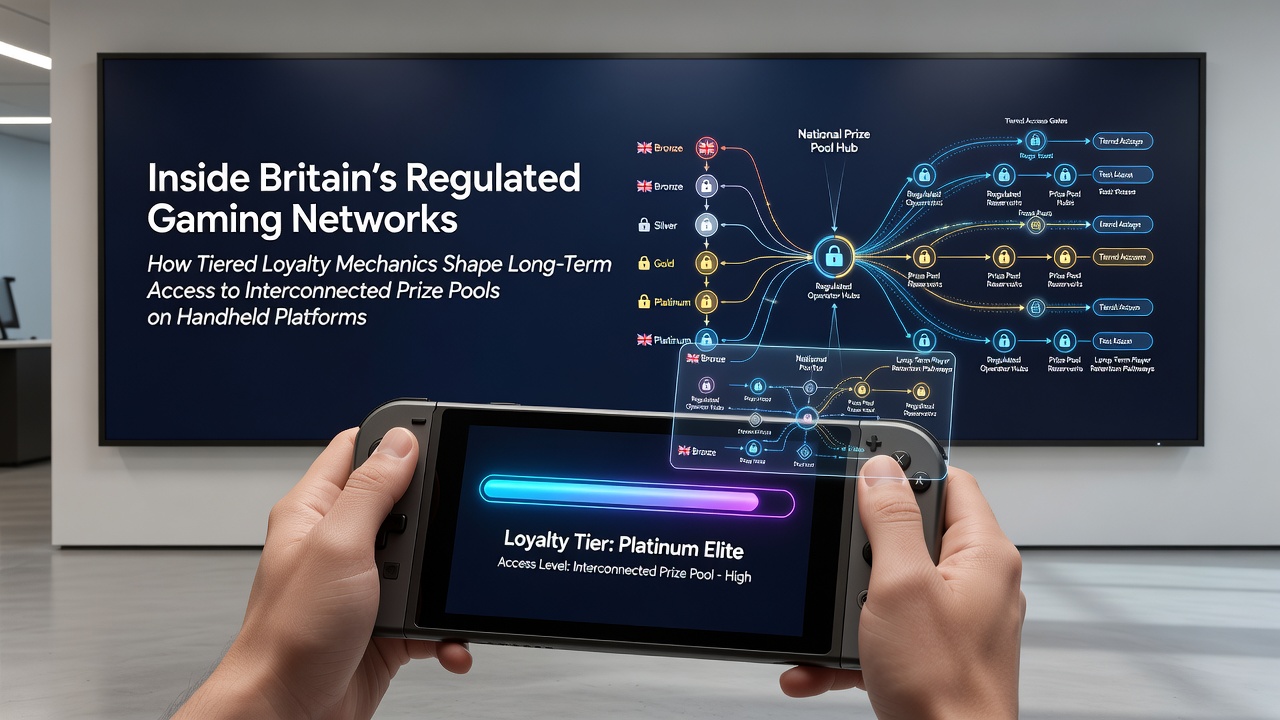
Tiered Loyalty Programs Fueling Long-Term Participation in Britain's Interlinked Mobile Jackpot Systems
Britain's regulated gaming networks have developed sophisticated loyalty structures that determine how participants gain sustained entry to shared prize systems on handheld devices, and these mechanics continue to evolve through 2026. Operators integrate points accumulation with tier advancement, where each level unlocks incremental benefits tied directly to interconnected jackpot pools accessible via mobile applications.
Mechanics of Tier Progression in Mobile Environments
Participants advance through loyalty tiers by meeting specific activity thresholds measured in real-money wagers and session frequency, which then grant elevated percentages of contributions to collective prize funds. Data from industry reports indicates that higher tiers often receive priority allocation from progressive accumulations generated across multiple handheld platforms, creating pathways for long-term access that lower levels cannot replicate. This system operates within frameworks established by various regulatory bodies across different jurisdictions, ensuring standardized tracking of player contributions to networked pools.
One observes that mobile interfaces display real-time tier status alongside current jackpot values, allowing users to monitor how their activity influences both personal progression and the overall prize ecosystem. In August 2026, several networks reported increased tier upgrades during off-peak hours, as participants leveraged mobile notifications to maintain consistent engagement levels required for sustained access.
Interconnected Prize Pools and Access Pathways
Interconnected prize pools aggregate contributions from numerous mobile operators, forming larger accumulations that tiered participants can access based on their loyalty status. Researchers at the National Center for Responsible Gaming have documented how these shared systems distribute funds according to tier-based multipliers, with top levels securing broader eligibility across regional networks. The structure ensures that long-term participants maintain visibility into pool growth through dedicated mobile dashboards updated continuously.
Take one case where a mid-tier user accumulated enough activity points to enter a higher bracket, thereby gaining entry to prize pools previously restricted, and this transition occurred seamlessly within the handheld application interface. Such mechanics rely on centralized databases that synchronize across platforms, preventing fragmentation while enforcing eligibility rules tied to loyalty duration and volume.
Role of Handheld Platforms in Sustaining Network Participation

Handheld platforms serve as primary access points where tiered mechanics directly influence entry to prize pools, with applications incorporating features like automated point tracking and tier-specific alerts. Evidence from studies conducted by the Australian Gambling Research Centre suggests these digital environments facilitate prolonged engagement by linking daily mobile sessions to cumulative rewards within interconnected systems. Participants at advanced tiers encounter reduced barriers to pool participation, as loyalty status overrides certain entry requirements applied to newer users.
Networks operating in Britain have aligned their mobile architectures with these tier structures, enabling cross-platform recognition of loyalty levels that carry over to shared jackpot opportunities. This integration supports consistent access patterns even as users switch between devices, maintaining continuity in prize pool eligibility throughout extended periods.
Regulatory Influences on Loyalty and Prize Connectivity
Regulatory frameworks from bodies such as the Malta Gaming Authority establish guidelines for how tiered systems interface with prize pool distributions, requiring transparent reporting of contribution flows from mobile activities. These rules promote standardized tier definitions across operators, which in turn supports the stability of interconnected networks accessible on handheld devices. Observers note that compliance measures implemented by August 2026 emphasized audit trails linking individual tier advancements to specific pool contributions.
Industry associations have compiled figures showing that tiered access models correlate with measurable increases in long-term mobile participation rates within regulated environments. The systems function through algorithmic allocation where loyalty duration determines proportional shares from aggregated funds, ensuring participants retain visibility into their evolving position within the network.
Conclusion
Britain's approach to tiered loyalty within regulated gaming networks demonstrates clear linkages between sustained mobile activity and expanded access to interconnected prize pools. These structures, refined through ongoing regulatory oversight and technological updates, continue to shape participation dynamics on handheld platforms as of August 2026. Data from multiple sources confirms the operational consistency of these mechanics across diverse operator networks, providing structured pathways for long-term engagement without deviation from established eligibility protocols.